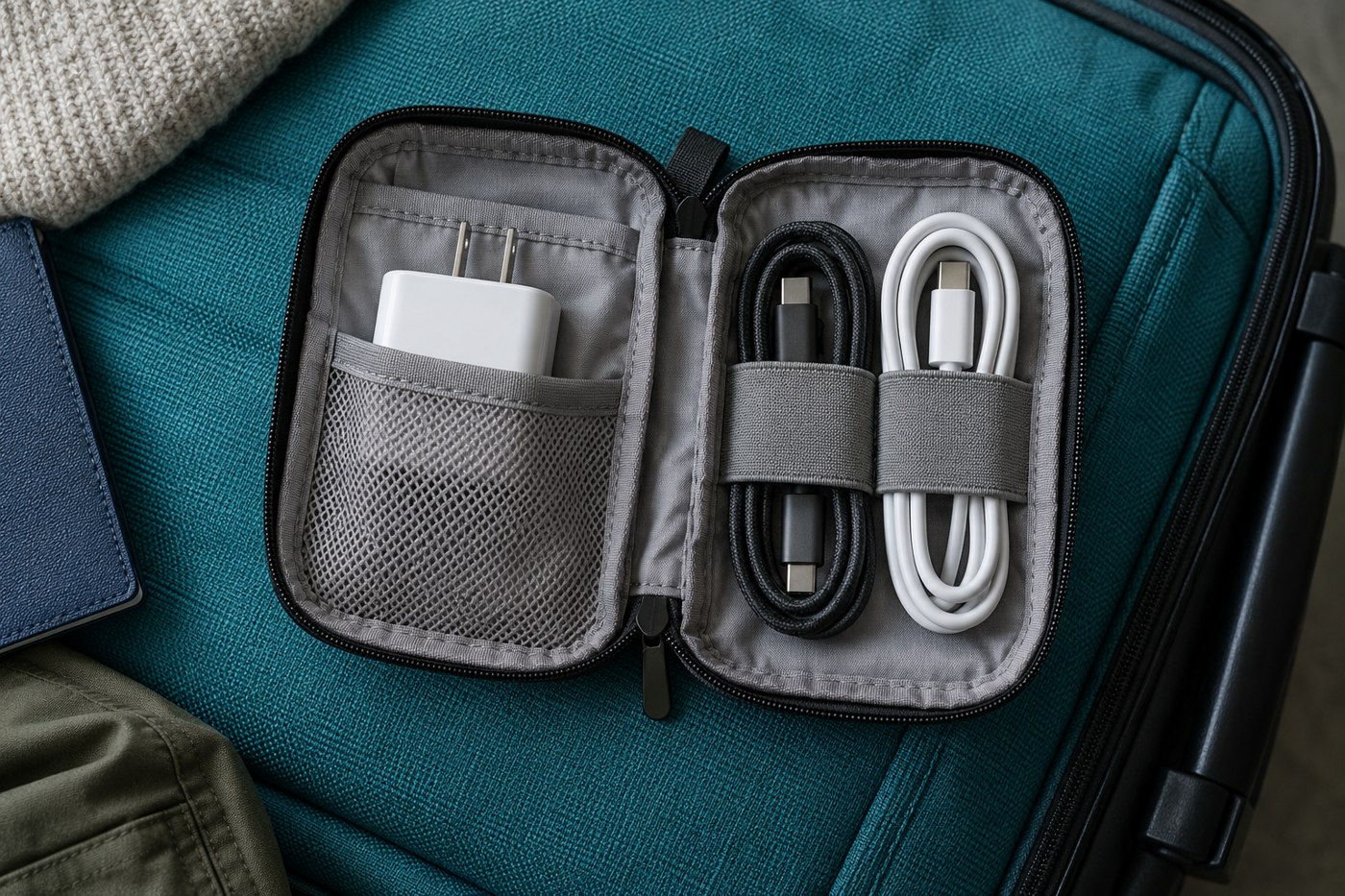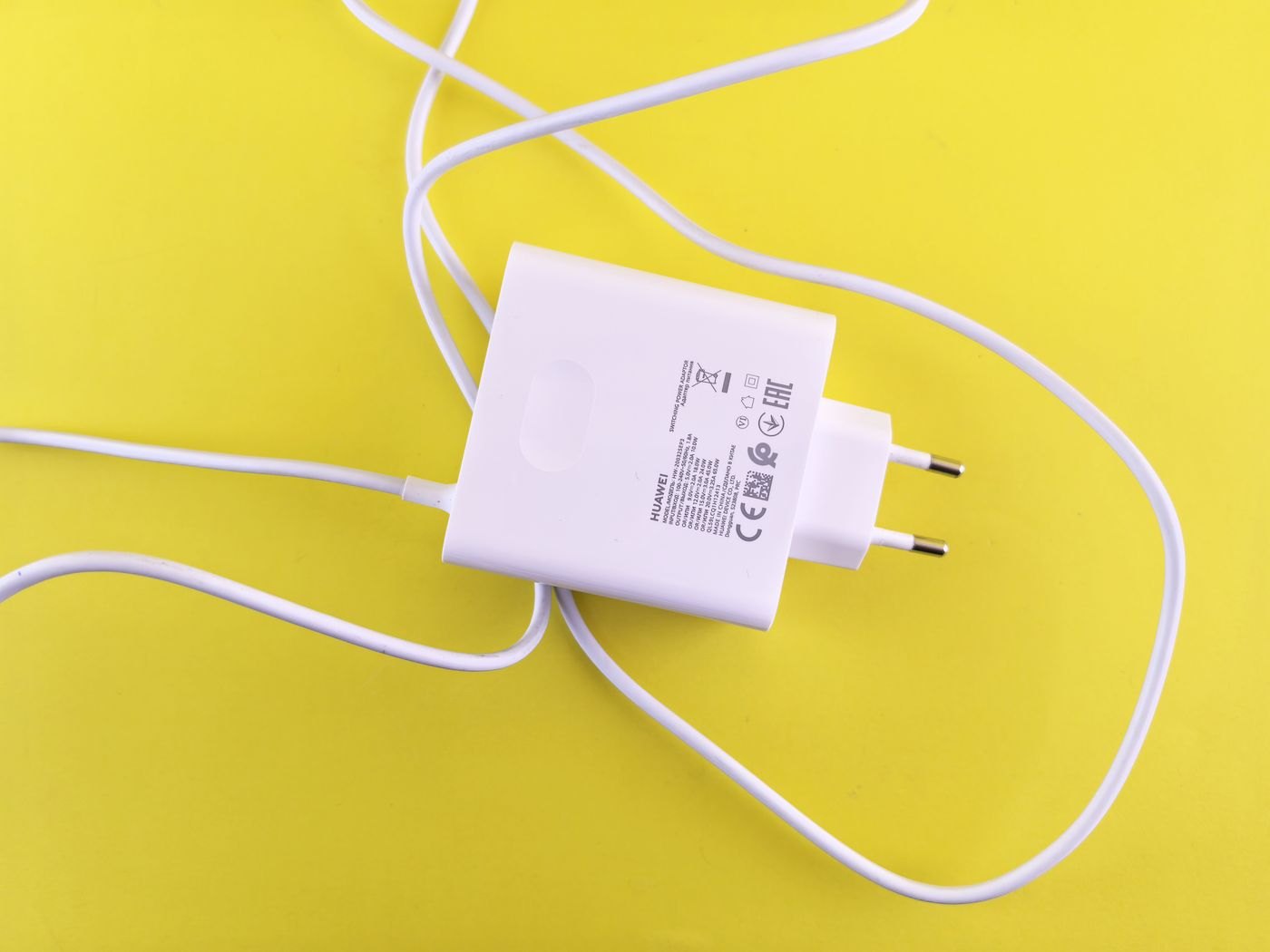
Before buying a charger, find the manufacturer, model number and output specifications. Check that the listing describes the actual version being sold, including the plug supplied for your region. A collection of logos in a product image should not replace information you can trace to the product maker.
Read the relevant device manufacturer's charging recommendations. Confirm the intended charging method and output, including the cable where it is sold separately. The charger should be chosen for a supported use, not merely because its connector fits.
Look for a document you can keep
A manual or support page should identify the model and explain operation, ratings and restrictions. If the seller's information conflicts with that document, ask for clarification before purchase. Keep the exact product reference so you can find support or recall information later.
Certification and conformity requirements differ by market and product. Verify a claimed program through the responsible organization where a lookup is available. Do not infer a guarantee from a symbol you cannot identify, and do not assume a marketing phrase means independent testing has taken place.
Inspect the delivered item
Compare its model and ratings with the order. Check for visible damage, missing parts or a plug arrangement different from what was advertised. If something is wrong, use the seller's return process instead of trying to repair or adapt a new charger yourself.
Do not open a mains-powered charger or improvise a replacement plug to resolve a mismatch. The intended user task is selecting and operating a supported product. Internal electrical work is outside an ordinary buying guide.
Keep use within the stated conditions
Read the instructions about ventilation, moisture and placement. A charger that fits neatly under bedding or inside a decorative box is not necessarily designed to operate there. Arrange the outlet and cable so the equipment can remain accessible and used as directed.
If a charger shows damage or other concerning behaviour, stop using it and follow the manufacturer's service guidance. Check current recall information through the appropriate official channel when relevant. A clear product identity makes that step possible; an unmarked accessory leaves you guessing precisely when reliable information matters most.