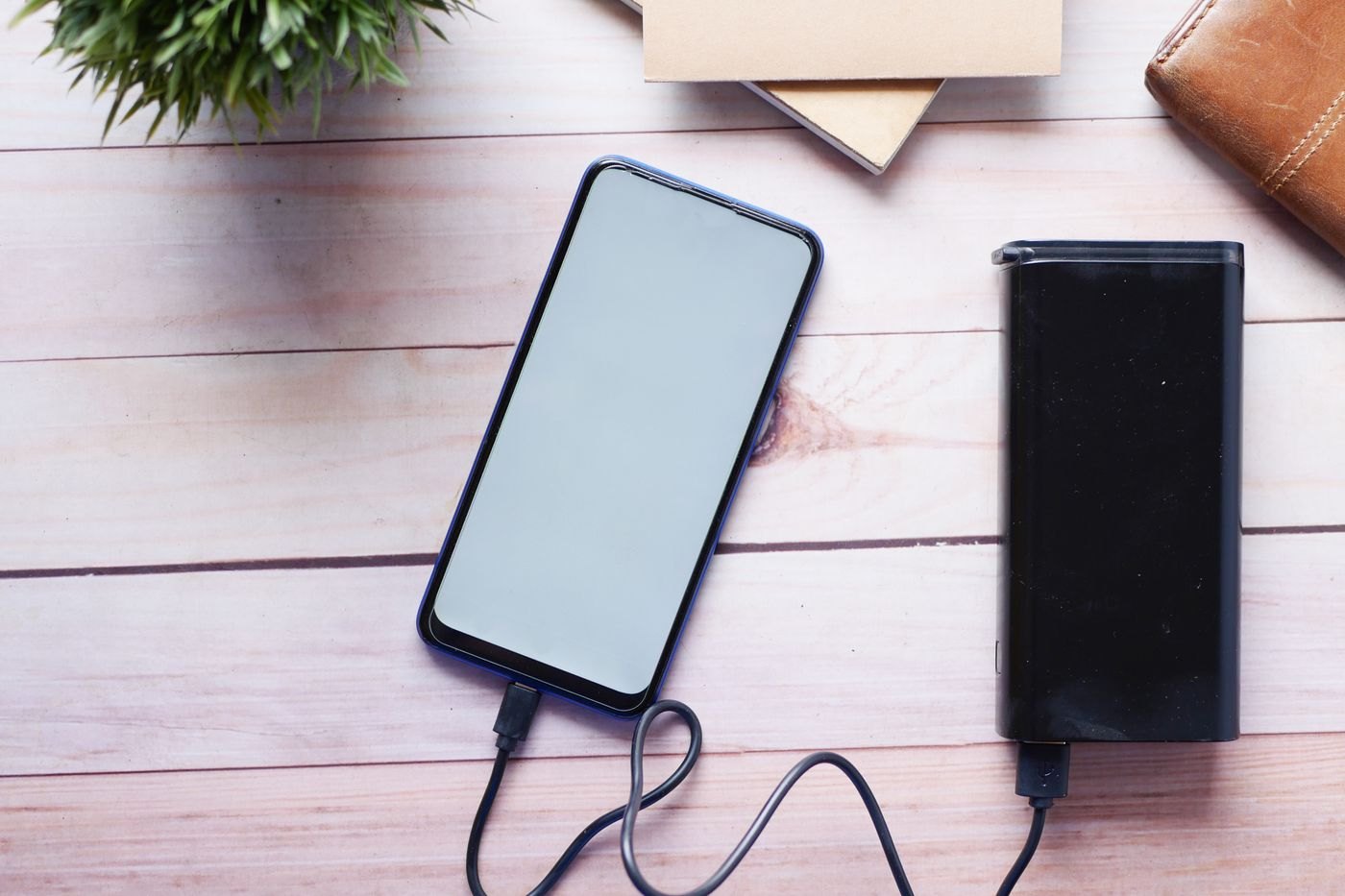
Before packing a phone, laptop, camera or power bank for a flight, identify which items contain batteries and which batteries are spare or separate. Keep the manufacturer's rating visible where possible and find the current rules for the airline and jurisdictions involved. A retailer's airline-friendly label is not permission for every itinerary.
The FAA's passenger guidance distinguishes installed batteries from spare lithium batteries and power banks, with different packing requirements and limits. For travel under its rules, spare lithium batteries and power banks belong in carry-on baggage, and larger ratings can require approval or be prohibited. Check the current details rather than applying an old capacity shortcut.
Use the rating on the item
Find the watt-hour rating for a lithium-ion power bank or battery where applicable. Do not estimate permission from mAh alone without the relevant voltage, and do not assume a missing label will be accepted. Ask the airline what evidence it requires if the rating is unclear.
Read rules about quantity, protection and onboard use as well as capacity. An item permitted to be carried may still have restrictions on where it is stored or whether it can be used during the flight. Airline instructions can be more specific than a general travel article.
Prepare for a bag being checked at the gate
Keep items that must remain in the cabin accessible so they can be removed if a bag is taken for checking. Follow the airline's instructions and protect spare battery terminals as required. Do not bury a power bank at the bottom of luggage that may need to be handed over quickly.
Pack devices to prevent damage and accidental operation according to the applicable guidance. Do not travel with a damaged or recalled battery contrary to the authority's rules. If an item is questionable, resolve that before arriving at the airport rather than hoping a protective pouch changes its status.
Check the full journey
Include connecting airlines and the return route in the review. A rule found for the first carrier may not settle another segment. Save the relevant official information and any required approval in a form you can access during travel.
If you plan to charge from a seat outlet, check the airline's current policy and the equipment instructions. Permission to carry a power bank is not a guarantee that using it onboard is allowed. The packing decision is complete only when you know where each item belongs and which use is permitted on the actual flight.
Make the battery inventory specific
A small inventory can name the device or spare battery, its visible rating, where it will be packed and the official rule you checked. Distinguish a battery installed in a camera from a spare camera battery and from a power bank. Keeping them in one accessory pouch does not make their packing rules identical.
If a bag is moved to the hold at the gate, use that inventory to identify the items that must be removed rather than hurriedly guessing which pocket contains them. Keep protective cases and any required documentation with the relevant items. Ask airline staff when an instruction is unclear instead of relying on a general article to overrule the carrier's direction.
Check again close to the journey if the itinerary or equipment changes. Adding a larger bank or changing airlines can create a new question even if the original kit was permitted. Do not carry a product with an unreadable identity on the assumption that a similar-looking model's approval applies. The plan should describe the items actually travelling, not the equipment you intended to buy several months earlier.