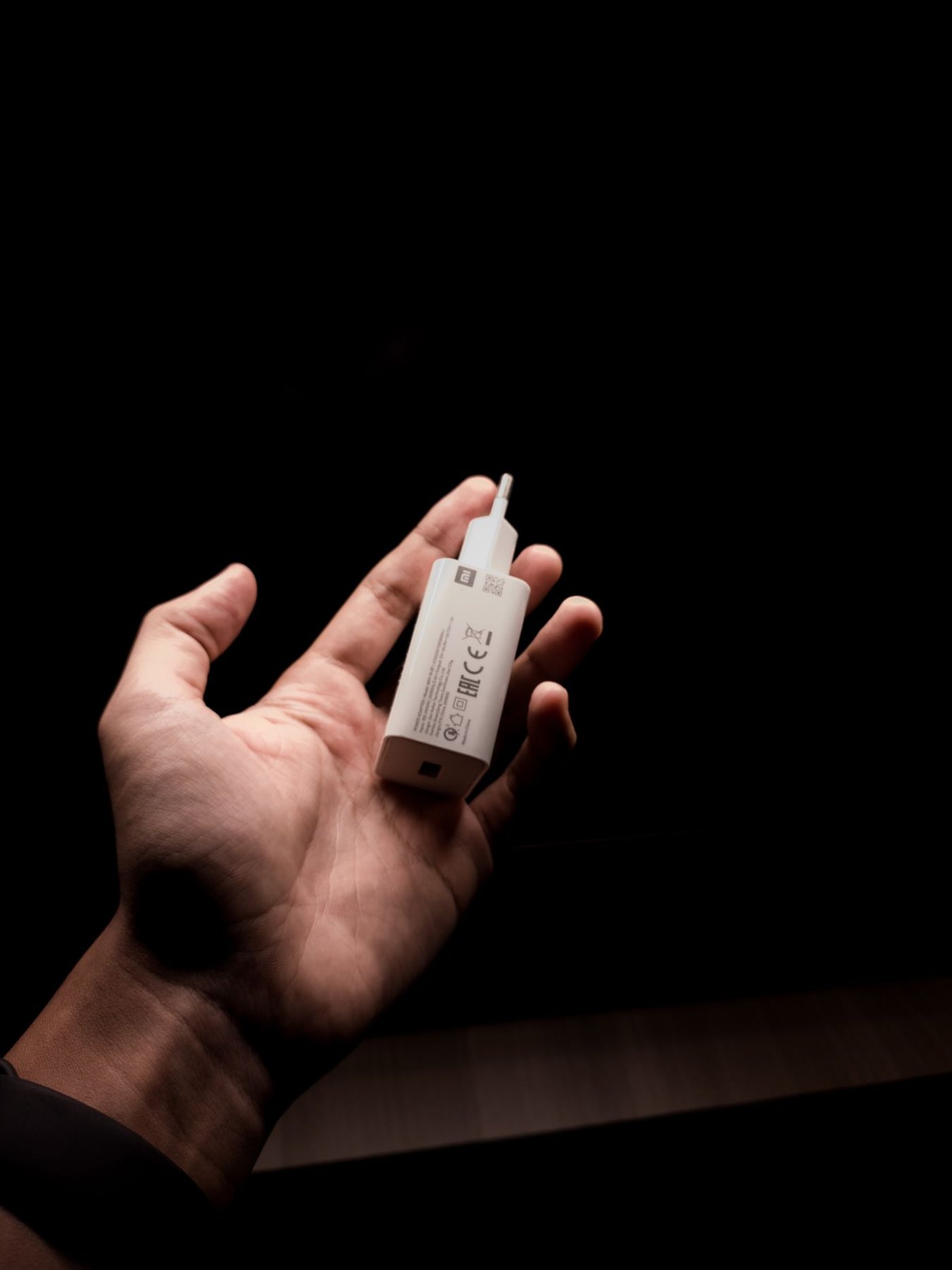
An older device can make charger shopping difficult because listings often emphasize the plug shape and little else. Find the device's model information and official power requirements first. If the original adapter is available and readable, record its details as a reference, but do not assume every similar-looking replacement is equivalent.
For a proprietary connector or older barrel-style input, ask the manufacturer or an appropriate supplier for a documented replacement match. Physical fit alone is not sufficient. Do not guess electrical compatibility from the fact that a plug enters the socket.
Separate an obsolete accessory from a damaged device
Describe why a replacement is needed. A lost adapter presents a different question from a device that stopped charging with its original equipment. If the device or port may be damaged, use the maker's troubleshooting or service route rather than buying successive adapters as experiments.
Check any current support or recall information relevant to the model. Keep the product identity clear so the seller can answer a specific compatibility question. A listing that names a broad family but omits your exact model needs clarification.
Read the replacement's documentation
Confirm the input requirements, output specification, connector and intended device list. If the product uses interchangeable tips, follow its documented compatibility system and do not choose a tip solely by trial fitting. Ask for written confirmation where the match is not explicit.
Check the source and return terms, particularly for discontinued accessories sold through third parties. An original-looking label is not proof of origin or condition. Avoid unidentifiable equipment whose ratings cannot be read or verified.
Test within the supported use
Inspect the delivered adapter for damage and compare its identity with the order. Connect it according to the instructions and observe the device's normal charging status. Stop and use support if behaviour is concerning or inconsistent with the documentation; do not open the power supply to investigate.
Keep the verified replacement details with the device. Older equipment often remains useful for one specific task, and a short record can prevent the same search next year. If no supported replacement can be established, consider service or retirement rather than turning an uncertain electrical match into the permanent solution.
Keep the answer tied to one model
An older product family may have several revisions with different adapters. Compare the identifier on the device with the list supplied for the replacement, including any suffix that distinguishes a variant. If the seller answers with a broad family name, ask it to confirm the complete identifier rather than assuming the omitted characters are unimportant.
A useful written response identifies the replacement model and the supported device. Keep it with the receipt and the power requirements. If the delivered item's label differs, resolve that mismatch before use. Do not treat an adapter tip that fits as evidence that the seller sent an equivalent substitute.
For equipment with a long-discontinued support page, look for an official archived manual or an appropriate service provider who can identify the requirement. A forum photograph may help locate a model name, but it should not be the sole basis for an electrical match. The remaining uncertainty is worth resolving before applying power, even when the older device is inexpensive or used only occasionally.