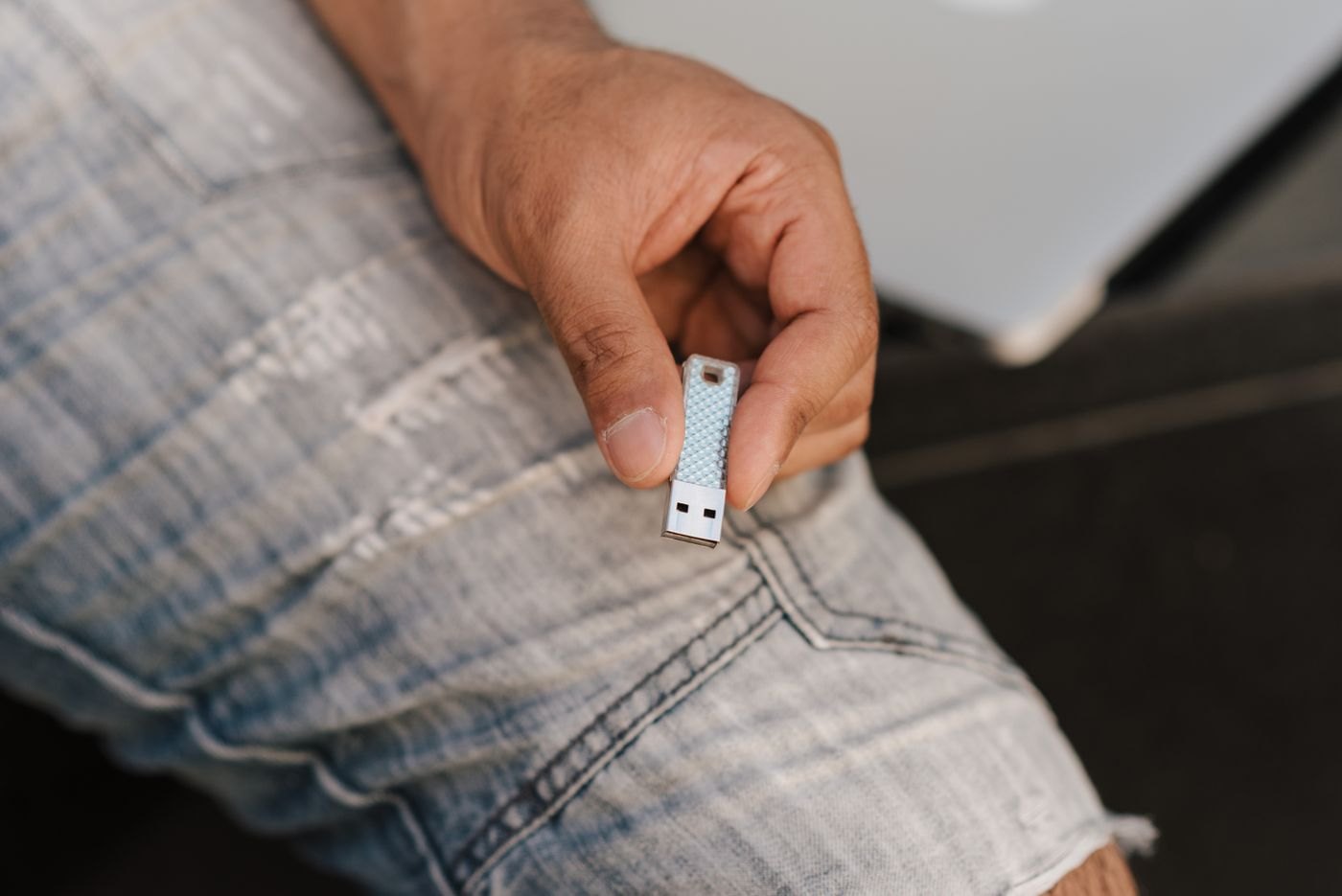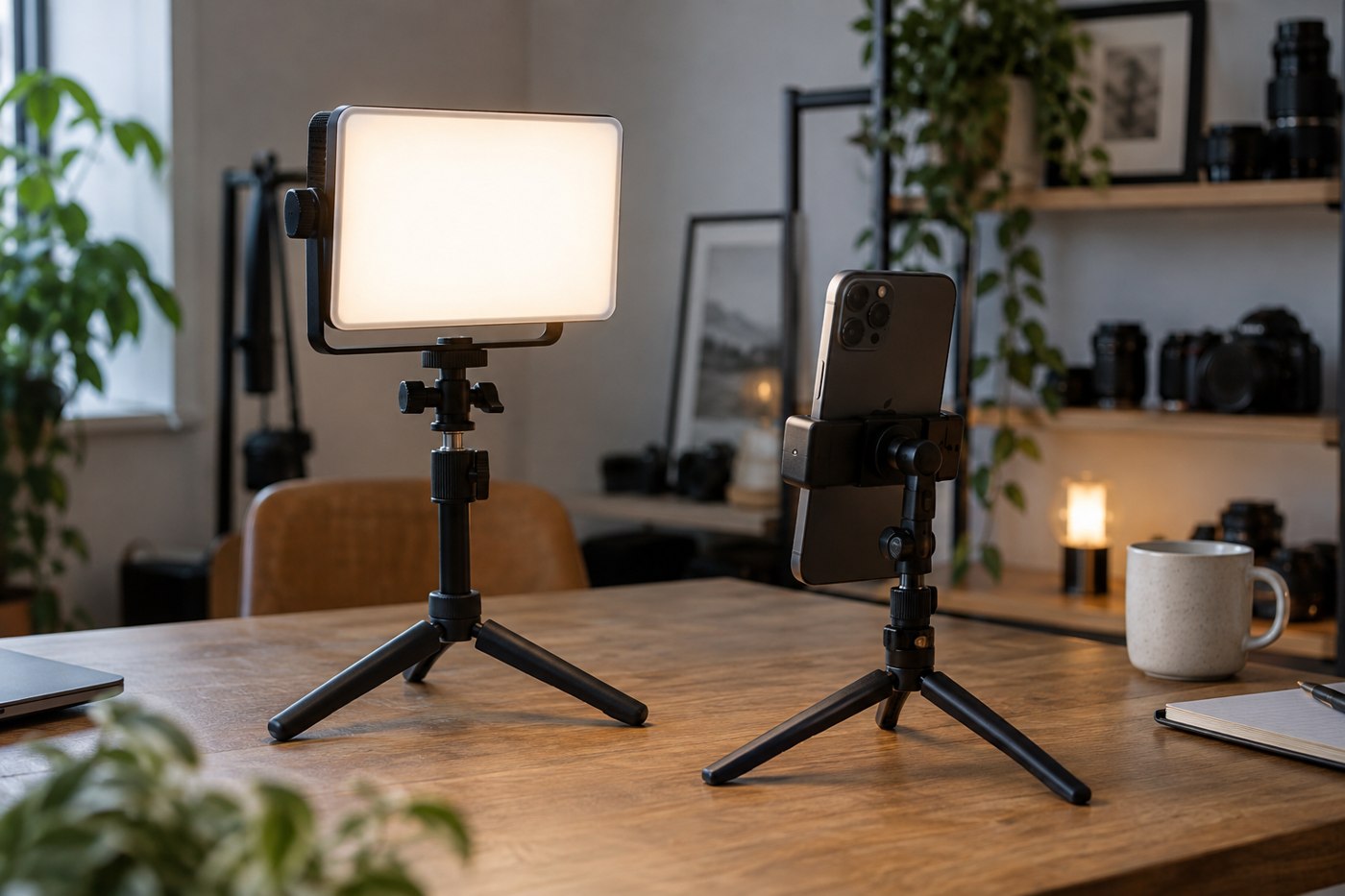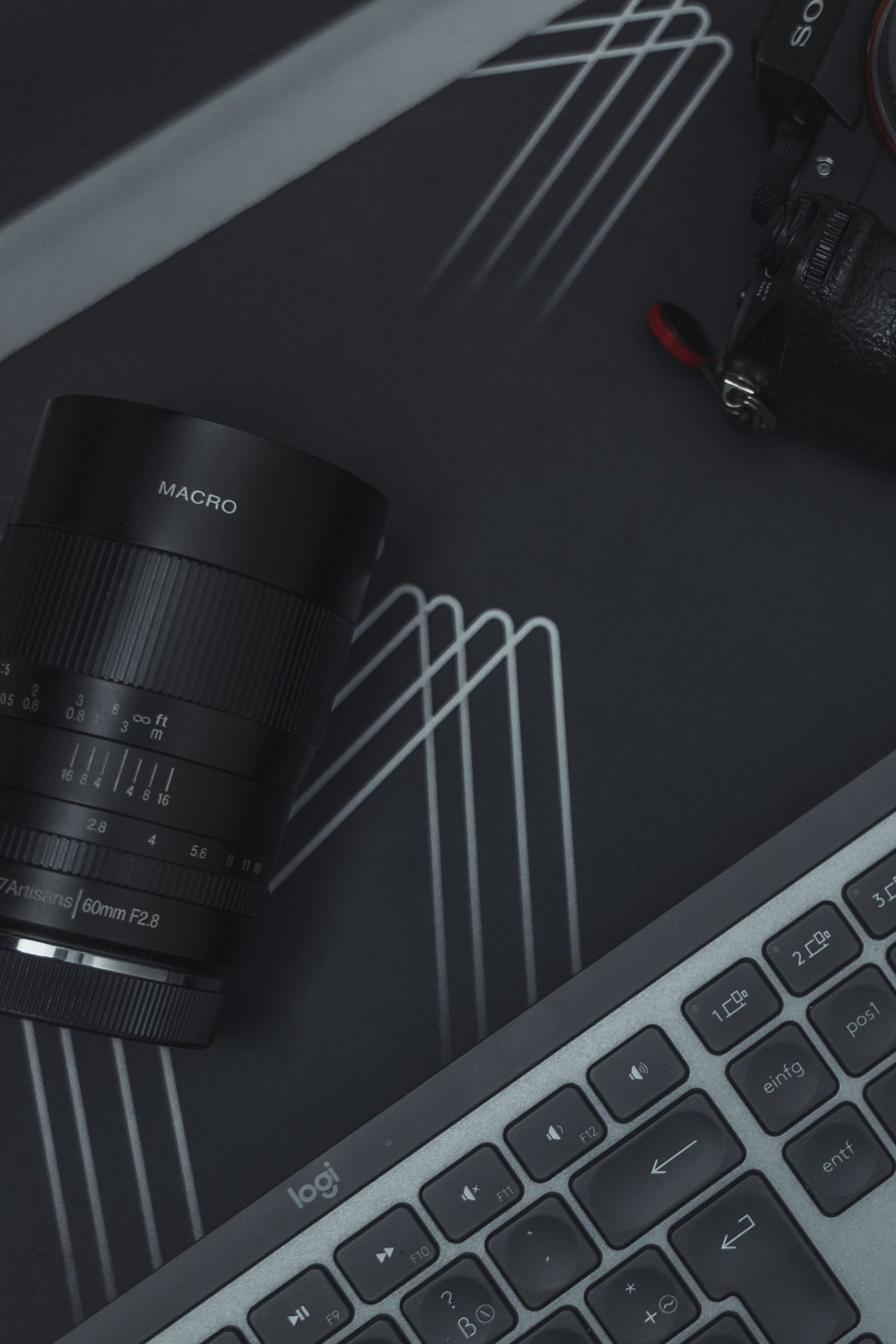
Begin a used-accessory purchase by identifying the exact model, including any revision or suffix. Similar-looking plates, grips, flashes and brackets can belong to different mounting systems. Ask for photographs of the labels and connection points, not just a flattering overall image.
Make a list of the parts needed for normal use. A missing plate, cable, cap, clamp pad or battery door can turn a low asking price into a difficult repair project. Check whether replacements are available and include their cost before deciding what the accessory is worth to you.
Inspect the load-bearing and moving parts
For supports, look at threads, clamps, hinges and locking controls. Check that parts move and lock as described, without forcing them. A damaged mount deserves more attention than a cosmetic scratch on a nonfunctional surface. Do not attach valuable equipment to a support you cannot inspect confidently.
For electronic accessories, request a demonstration with a compatible device and the necessary power source. Confirm the functions you will actually use rather than accepting a photograph of a power light as a complete test. Be clear about what cannot be checked before purchase and whether the return terms give you an opportunity to verify it.
Examine contacts and battery compartments for visible damage or contamination. Stop if the item has a damaged or swollen battery; do not attempt to restore it by charging or opening the pack. Follow the manufacturer's service guidance for equipment in that condition.
Judge condition against the job
A well-used bag with intact closures may still suit occasional storage, while a worn locking mechanism on a camera support can undermine its main purpose. Evaluate the part that carries the responsibility. A listing's condition label cannot replace your own model-specific questions.
Keep the listing, seller's answers and proof of purchase. Test the accessory promptly within the agreed return period using noncritical equipment or a controlled setup where appropriate. Record any fault clearly rather than trying a series of improvised repairs that make its original condition difficult to establish.
If the seller cannot identify the model or show the essential parts, compare that uncertainty with the price of an identifiable alternative. A used purchase can be worthwhile without being the cheapest visible listing; it needs to be a complete item that fits the equipment you already own.