Refurbished can describe different inspection and repair processes depending on the seller. Read what the seller says it has done and what its condition grades mean. Do not assume the word alone promises a new battery, original accessories or a particular cosmetic standard.
Identify the exact phone model, storage capacity and regional or carrier variant where relevant. Check the features and service compatibility you need through the manufacturer and carrier. A familiar product name in a listing title can conceal an older generation or a variant that does not fit your intended use.
Ask about the parts that affect daily use
Look for the battery policy, screen condition and any disclosed repairs. If the seller states a measurement or minimum condition, keep that wording with the order information. A vague statement that the phone is fully working leaves more unanswered than a clear description of what is checked.
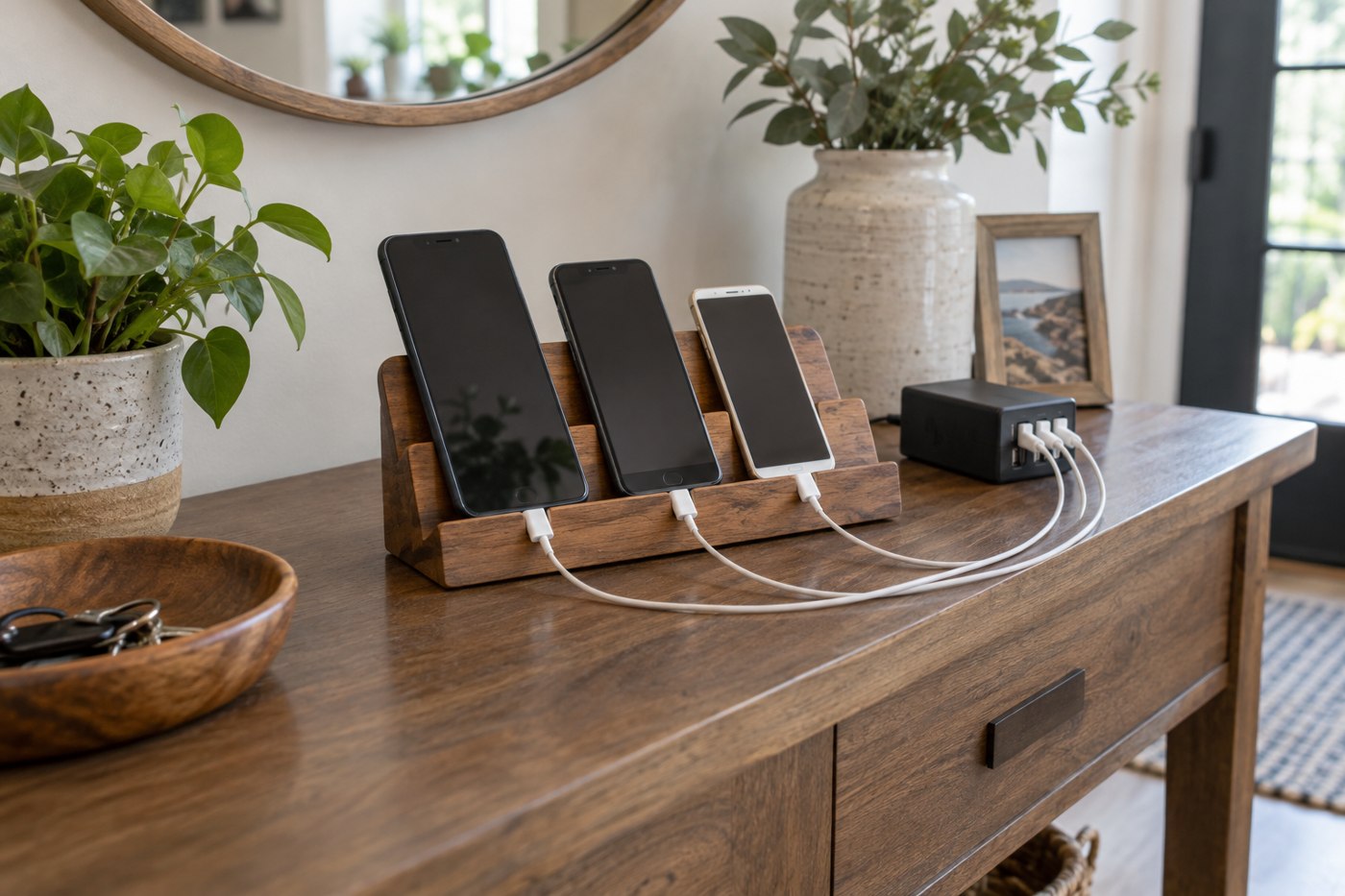
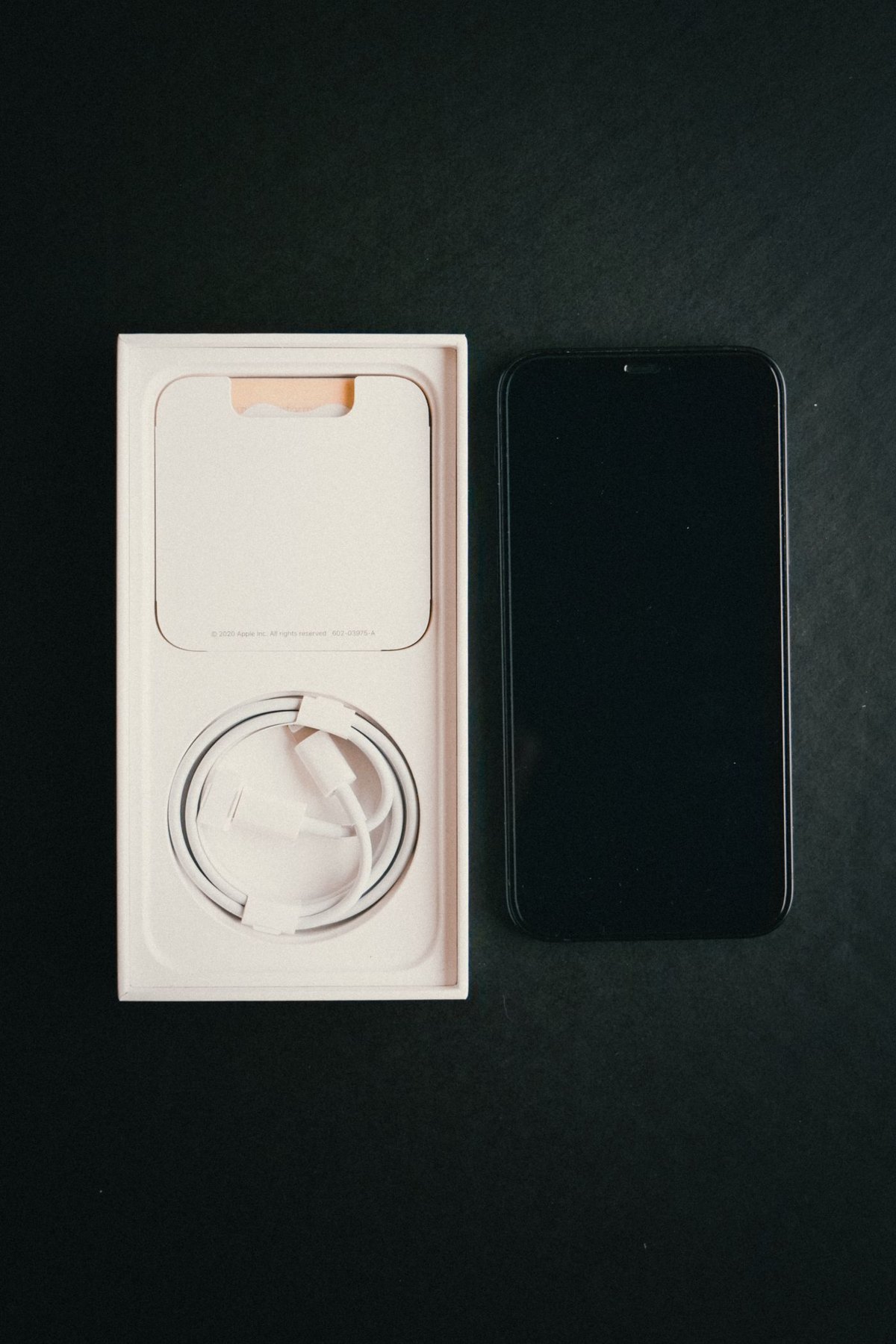
Confirm what comes in the package. If a charger is included, ask for its identity and compatibility rather than assuming it is the same accessory originally supplied by the phone maker. Include any necessary replacement accessory in your comparison of total cost.
Photographs should be understood correctly. Ask whether they show the actual device or a representative unit. A representative image can illustrate a model while telling you little about the scratches or marks on the item you will receive.
Read the route for resolving a problem
Check who handles returns and warranty claims, the relevant time limits and any exclusions. Save the listing, receipt and written answers. Avoid relying on an informal chat promise that is missing from the terms attached to the sale.
The phone should be legitimately prepared for a new owner. Do not accept a previous owner's password as a workaround for an account or activation restriction. Ask the seller to resolve such issues through the official process before you keep the device.
Inspect promptly after delivery
Check the stated model and ordinary functions you depend on, then try the actual accessories and applications involved in your purchase decision. Keep the packaging while any issue is being resolved. Document a mismatch clearly without publishing personal identifiers or account information.
Separate a defect from a feature the model never offered. The first calls for the seller's problem-resolution process; the second points back to the selection check. A careful listing review helps you know which question you are asking before the return window is nearly over.
Compare the full offer, not only the grade
Suppose two sellers offer the same model at different prices. One describes a defined battery condition, includes a specified compatible charger and provides a clear return route. The other uses a higher-sounding cosmetic grade but leaves those details unstated. The second offer is not necessarily worse, but it requires answers before the price comparison is meaningful.
Write the unanswered items beside each offer: model variant, battery policy, repair disclosure, included accessories and who handles a fault. Avoid converting silence into a favourable assumption. If a seller cannot explain a term that matters to you, keep that uncertainty in the decision rather than filling it with a review of another seller's refurbished process.
After delivery, test the functions that distinguish the intended use. A phone bought for a particular camera mode or accessory connection should be checked for that documented feature, not only for calls and charging. Keep these checks within the normal use described by the maker. A targeted acceptance routine can be completed promptly and provides a clearer basis for a support request than a general impression that the phone feels different from an older one.