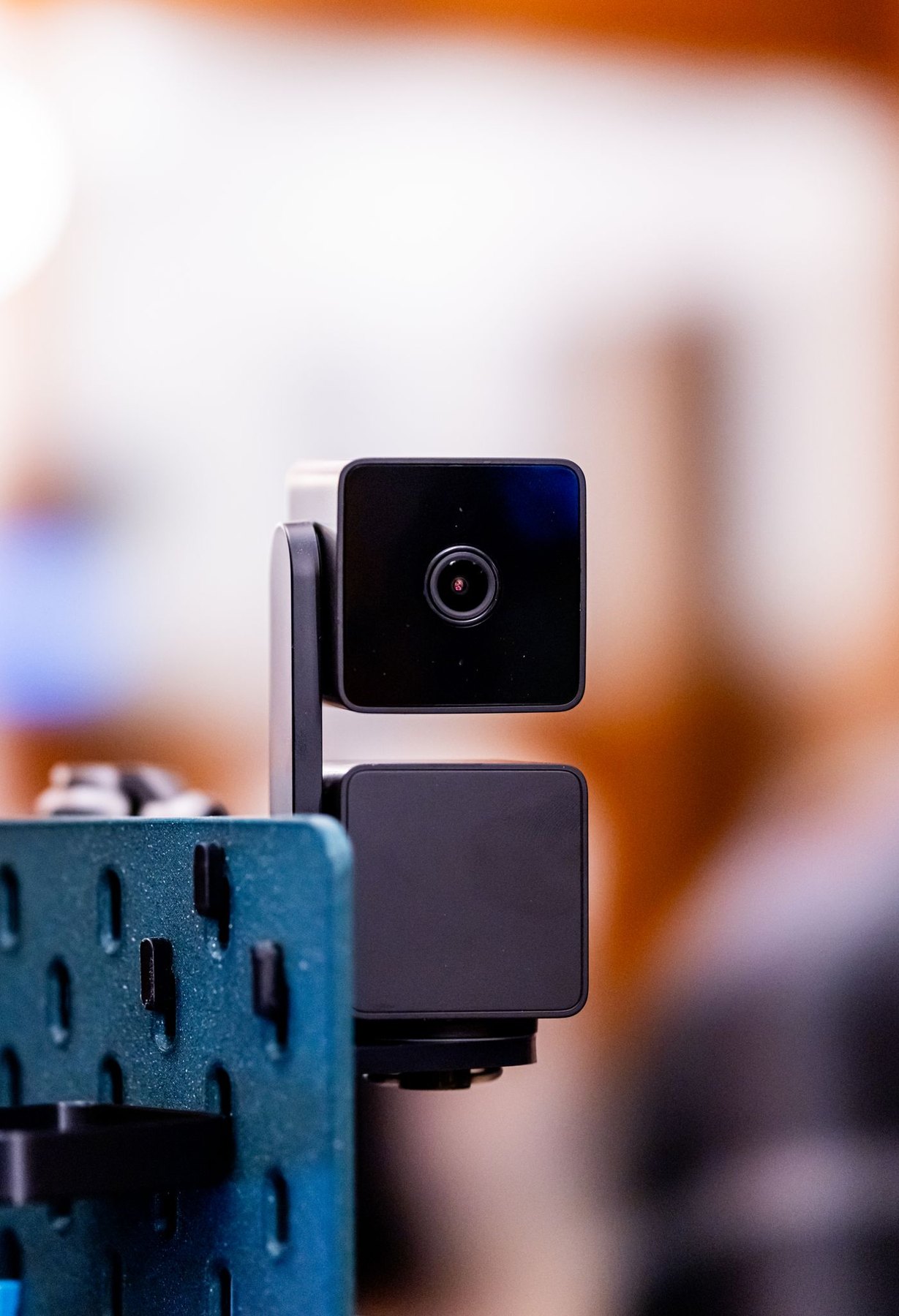
A bright window on one side and a dim wall on the other can make a webcam image uneven even when the camera has an impressive resolution specification. Begin with a preview at the time of day when you usually make calls. Notice which part of the face is bright, whether the background dominates, and what changes when you turn slightly.
Move the chair or screen a little, close a curtain partway, or reposition an existing lamp. These changes help you identify the problem before buying hardware. A new webcam may offer useful exposure controls, but it cannot guarantee that an inconvenient room arrangement disappears.
Compare controls you can actually use
Look for documentation of the camera's exposure, white-balance and framing controls. Establish whether adjustments require a manufacturer application and whether that application supports your operating system. A feature that exists only in unavailable software has little value on your computer.
Check if settings remain after a restart and whether the meeting application applies its own processing. If a product demonstration shows automatic framing or background effects, determine whether those belong to the camera, its software or the conferencing service. This distinction matters when you change applications.
Test a face, movement and ordinary objects
A useful comparison includes speaking, turning toward notes and lifting a sheet of paper. Watch whether the picture repeatedly changes brightness or focus. A camera that produces a sharp still image may behave differently during a conversation. Use a normal document with large sample text, not private information, when assessing focus changes.
Also look at framing. A very wide view may include bright areas you would otherwise keep out of the picture. Cropping can be useful, but check the result at the size your audience will see. More room in the frame is not always an advantage on a small desk.
For shopping, write down the specific behaviour you need improved: keeping exposure steadier, showing objects near the desk, or framing one person without much background. Then compare cameras against that requirement. Retain the packaging until you have tested morning and evening conditions if both matter to your routine. Your own room provides a more meaningful assessment than a uniformly lit promotional studio.