Active noise cancellation is one feature in a complete headphone design. It should be evaluated alongside physical fit and the sounds you actually want reduced. A product can feel effective against a steady background and still leave nearby speech or sudden sounds noticeable.
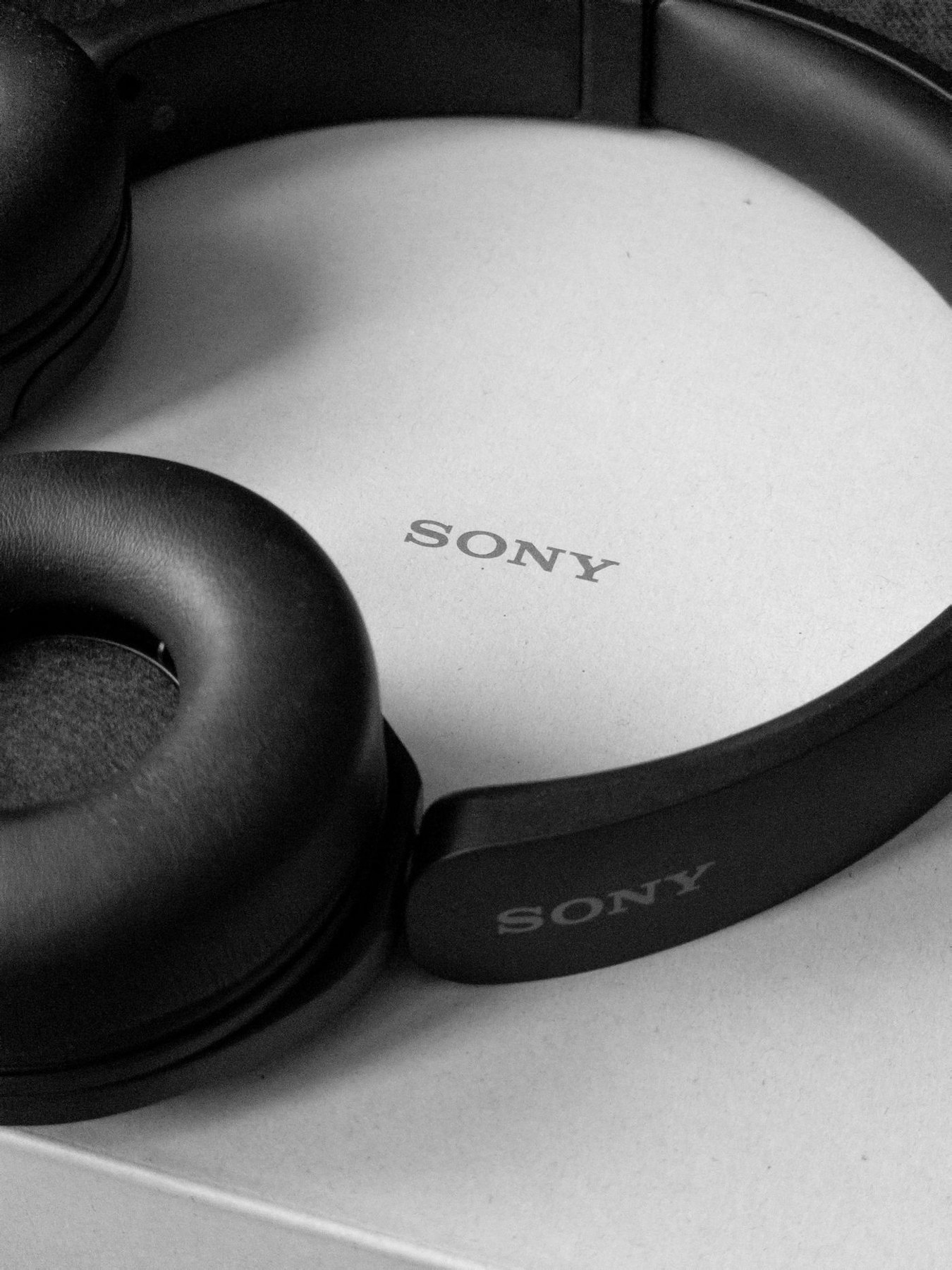
Sony's noise-cancellation guidance explains that its system is most effective with lower-frequency noise and cannot cancel every sound. This is a useful expectation to carry into a demonstration: listen for a reduction in the particular background, not a promise of total silence.
Check the mode you are hearing
Headphones may offer cancellation, ambient listening and other automatic modes. Learn which one is active during a trial. Compare the same short audio passage with settings you can identify, rather than judging a demonstration that changes modes without explanation.
Fit remains relevant. For over-ear headphones, inspect the cushion position and how it interacts with glasses. For earbuds, use the manufacturer's tip-fitting instructions. An app's fit check, where available, can be useful information, but your comfort and the correct attachment of the tips still matter.
Match the feature to a real situation
Think about the places where you listen: a vehicle cabin, a shared room or a quiet desk. A strong reduction in one setting does not establish identical performance in another. If a return trial is allowed, compare ordinary conditions without creating unnecessarily loud test noise.
Do not confuse cancellation for your listening with noise processing on the microphone used for calls. A product may describe both, but they serve different paths. Ask a call partner about the outgoing voice if meetings matter, and judge the listening feature with your own ears at a comfortable volume.
Read what enabling it changes
Battery claims may differ with cancellation enabled. Some models also offer automatic behaviour based on activity or settings. Check whether those functions need an application, an account or permissions you are willing to provide. A feature that repeatedly changes the listening mode may not suit someone who prefers a fixed setting.
Cancellation and ambient modes are not substitutes for attention to your surroundings or equipment designed for a specific protective purpose. Pause or remove headphones when needed. Choose a model because its documented features and observed behaviour fit your routine, not because its name implies that every outside sound will disappear.