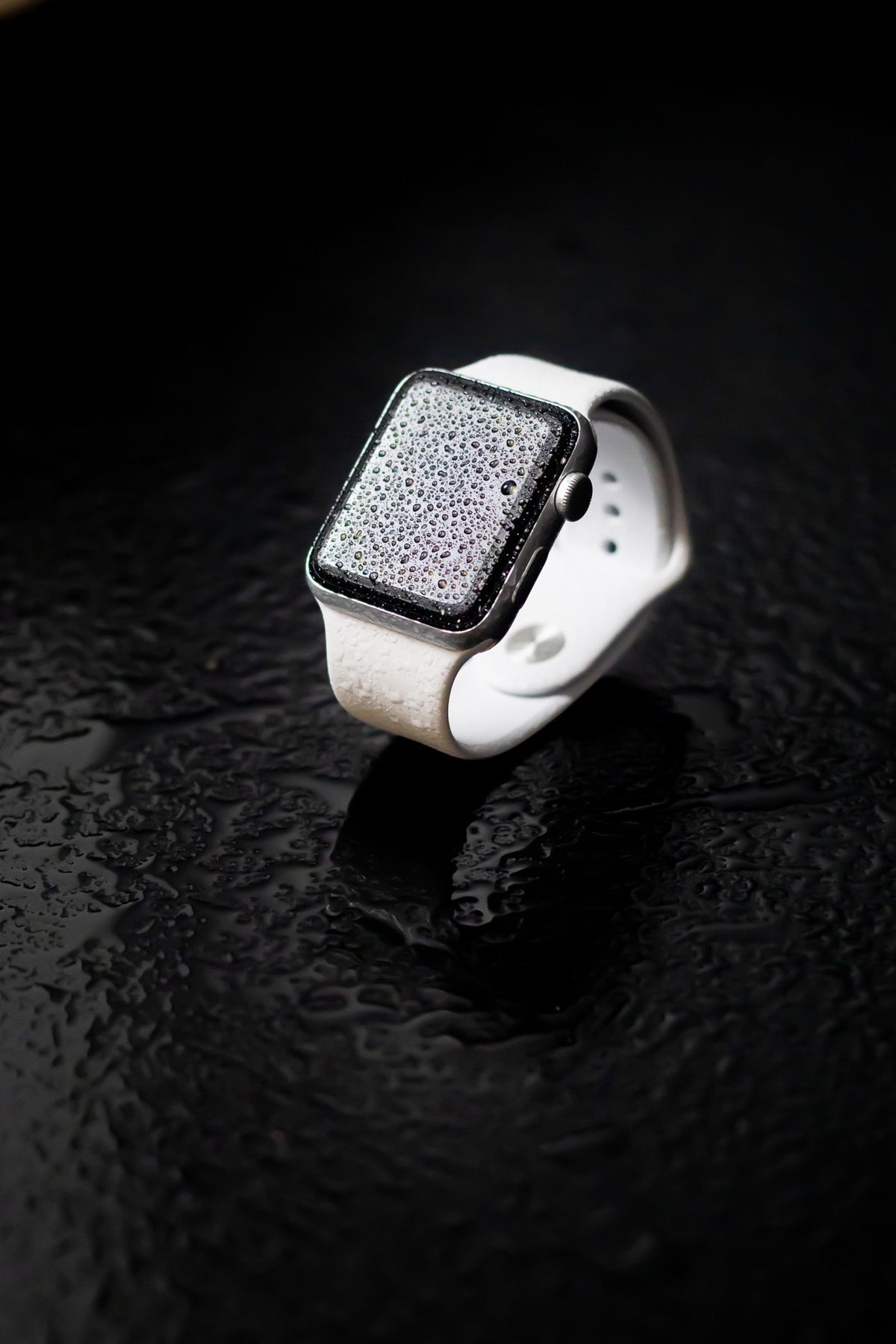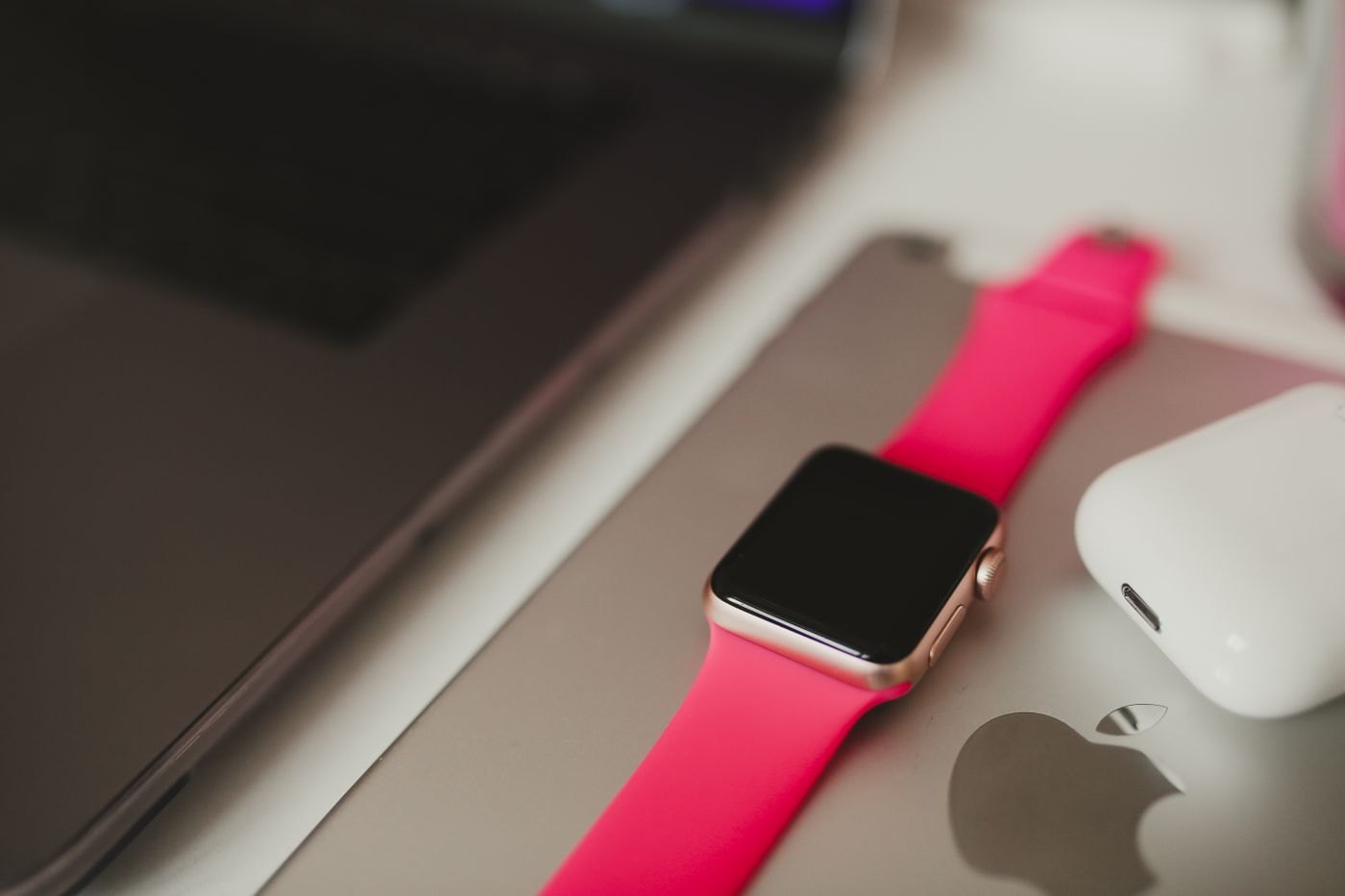
Set aside time for a watch handover while you still have the phone and account used to manage it. Do not begin by deleting random items from the watch. First identify what information you want to keep, how the manufacturer backs it up and which accounts or services remain attached to the device.
Read the current official sell-or-give-away instructions for the exact platform. Apple, for example, requires removal of personal information and Activation Lock; its guidance also distinguishes removing a mobile plan from cancelling the associated subscription. These are examples of separate jobs that a simple factory-reset assumption can miss.
Preserve what you need first
Check the companion application's synchronization and backup status. If you want records or settings available on another device, confirm the supported transfer route before erasing anything. Keep any exported information in an appropriate secure location rather than on the device you are about to hand over.
If payment, access or authentication features are configured, review the manufacturer's removal instructions and the relevant service account. Do not assume that deleting an application cancels a subscription or removes a device from every external service. Make a short list so each service can be checked separately.
For a family member's watch, confirm whose account owns it and who has authority to make the change. Avoid sharing account passwords with the recipient as a shortcut. The desired outcome is a device ready for their own setup, not continued access to your account.
Follow the official sequence
Perform the unpairing, erasing and account-removal steps in the order the manufacturer specifies. Keep the associated phone nearby when the process calls for it. Wait for completion rather than interrupting a long restart because the screen appears inactive.
If a cellular service is involved, contact the provider or use its supported account process to establish what happens to the plan. A device setting and a billing arrangement may be separate. Record the outcome so you do not discover an ongoing charge after the watch has left your possession.
Verify the final state without creating another account on behalf of the buyer. The device should be ready for the new owner's setup and should not request your credentials to remove an ownership lock. If it does, resolve that through the official account route before completing the sale.
Hand over an accurately described kit
Clean the body and band only as instructed, then check the included charger and cable. State the exact model, case size and known condition. Do not claim that a brief battery check establishes a guaranteed runtime or that a used device retains its original water resistance.
Include any agreed accessories and keep unrelated personal items out of the package. Photograph the physical condition and retain the transaction record. If the recipient is present, let them confirm that the watch reaches the expected setup screen without exposing either person's account details.
After the handover, check your device list and any relevant subscription account once more. The useful completion test is that your data and account connections have been handled, the recipient can begin their own supported setup and the physical equipment matches what was agreed.
If the phone is no longer available
Use the manufacturer's official account-based removal instructions rather than attempting to recreate the old phone setup through someone else's account. Check that you can authenticate securely and understand which device entry is the watch being transferred. Similar device names can make account lists confusing, so compare model details where available.
If access to the account is lost, begin the official recovery or ownership-support process before advertising the watch as ready to use. Do not offer the recipient a device that still depends on resolving your credentials later. Keep proof of purchase and avoid third-party services that promise to bypass an ownership lock.
Tell the recipient clearly if a handover is delayed by an unresolved account state. A reset-looking screen does not replace verification that the device is free to begin the new owner's supported setup. Completing that step before payment or transfer prevents a problem that neither person can solve simply by charging the watch.