A laptop desk that must disappear each evening needs fewer loose decisions. Choose a storage place first, then arrange the equipment so it can move there in a predictable order. A drawer, shelf or tray should hold the actual kit without pressure on the laptop lid or cables wedged against connectors.
Start with the items you use every time: laptop, power supply, mouse and perhaps a stand. Keep occasional equipment elsewhere rather than packing a camera, microphone and extra adapter into the daily routine simply because they belong to the same general category.
Give each connection a home
Use a small pouch for detached leads and adapters, with enough separation to avoid a heavy charger pressing on a delicate plug. Label similar cables by function if they support different jobs. A lead that charges a device is not automatically the one you verified for a display, so keeping the tested cable with its accessory prevents guesswork later.
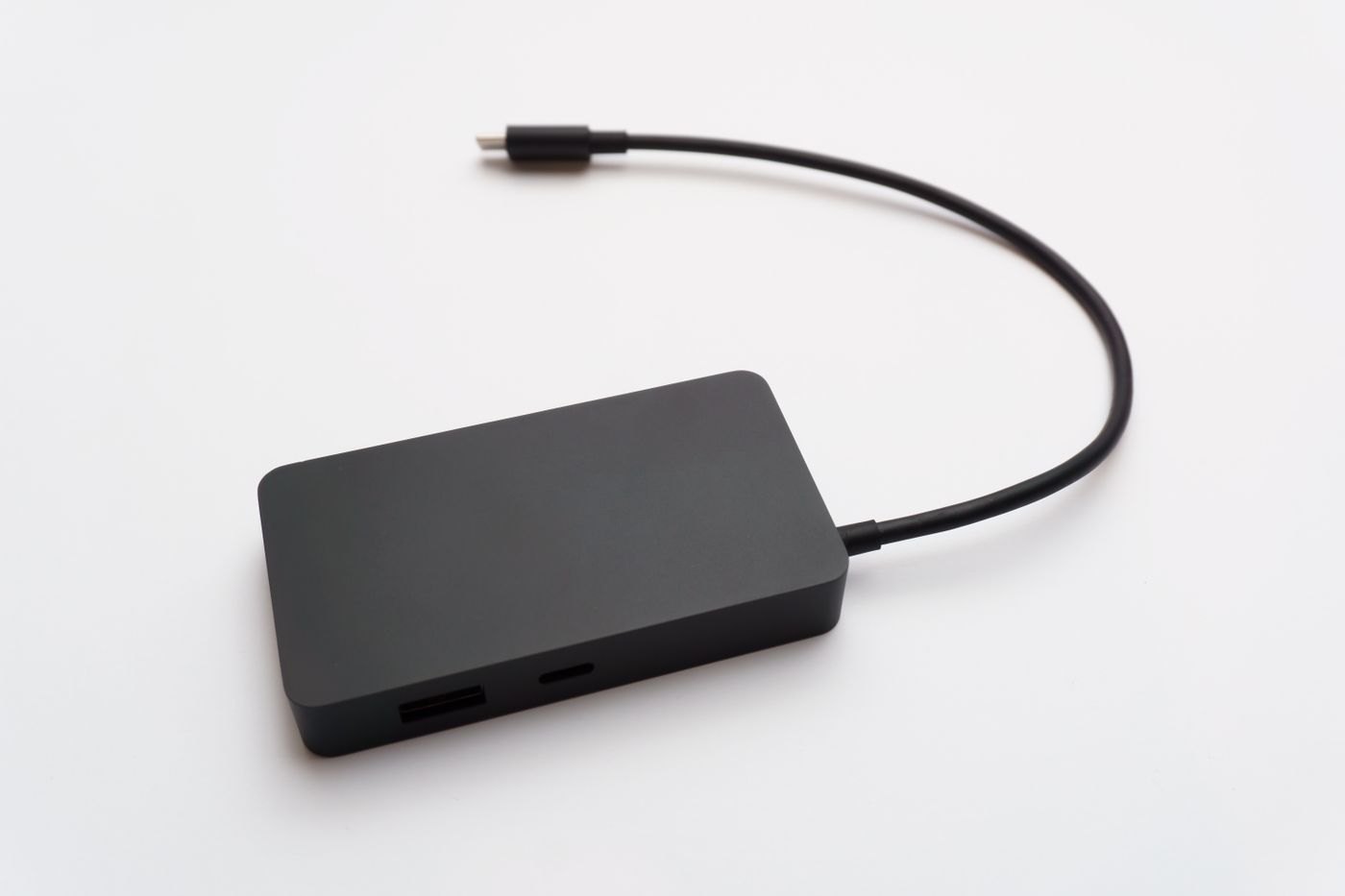
If a dock or hub remains on the table, check which connection you remove and what stays attached. Avoid leaving a unit suspended from the laptop when lifting it. Finish file transfers and use the operating system's appropriate removal procedure for external storage before disconnecting the setup.
Make the furniture work for packing
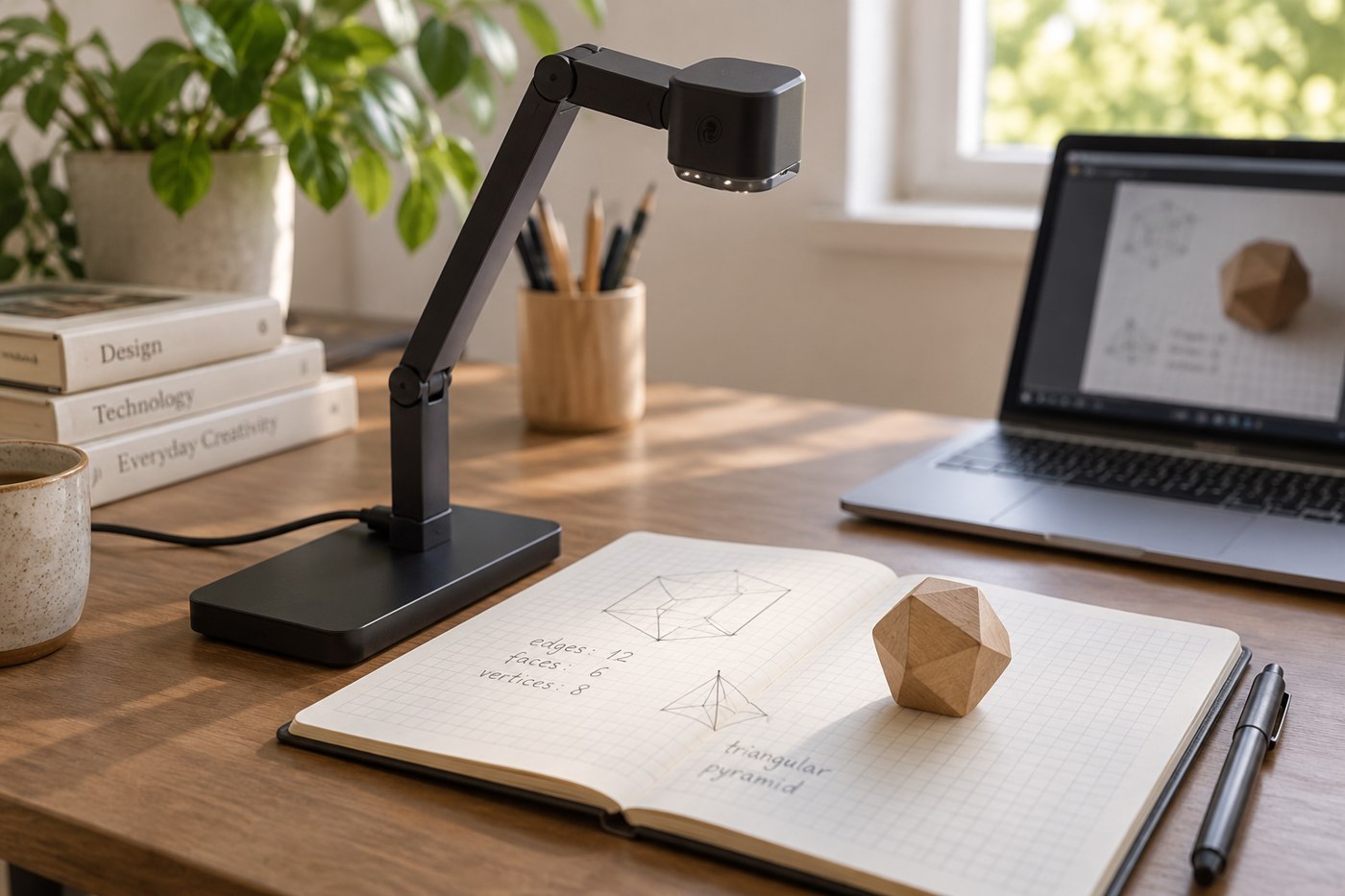
A folding stand should collapse through its designed joints without trapping its cable or a finger. Check whether it fits the storage spot while folded and whether its hard edges need separation from the laptop. Keep the stand's adjustment method simple enough that restoring the screen position does not become a daily puzzle.
A desk mat can collect small objects, but carrying equipment on a flexible mat is not a substitute for a supported tray. Move heavier items individually if the container is not designed for them. Keep drinks away during the process; packing is when familiar objects are most likely to be moved into unfamiliar places.
End with a short check of the surface and floor for receivers, pen caps or adapters. Put the charger where it can cool and remain ventilated according to its instructions, then store it when appropriate. The following morning, rebuild the setup once and note any repeated snag. Removing that snag is usually more useful than buying another organizer with no clear role.