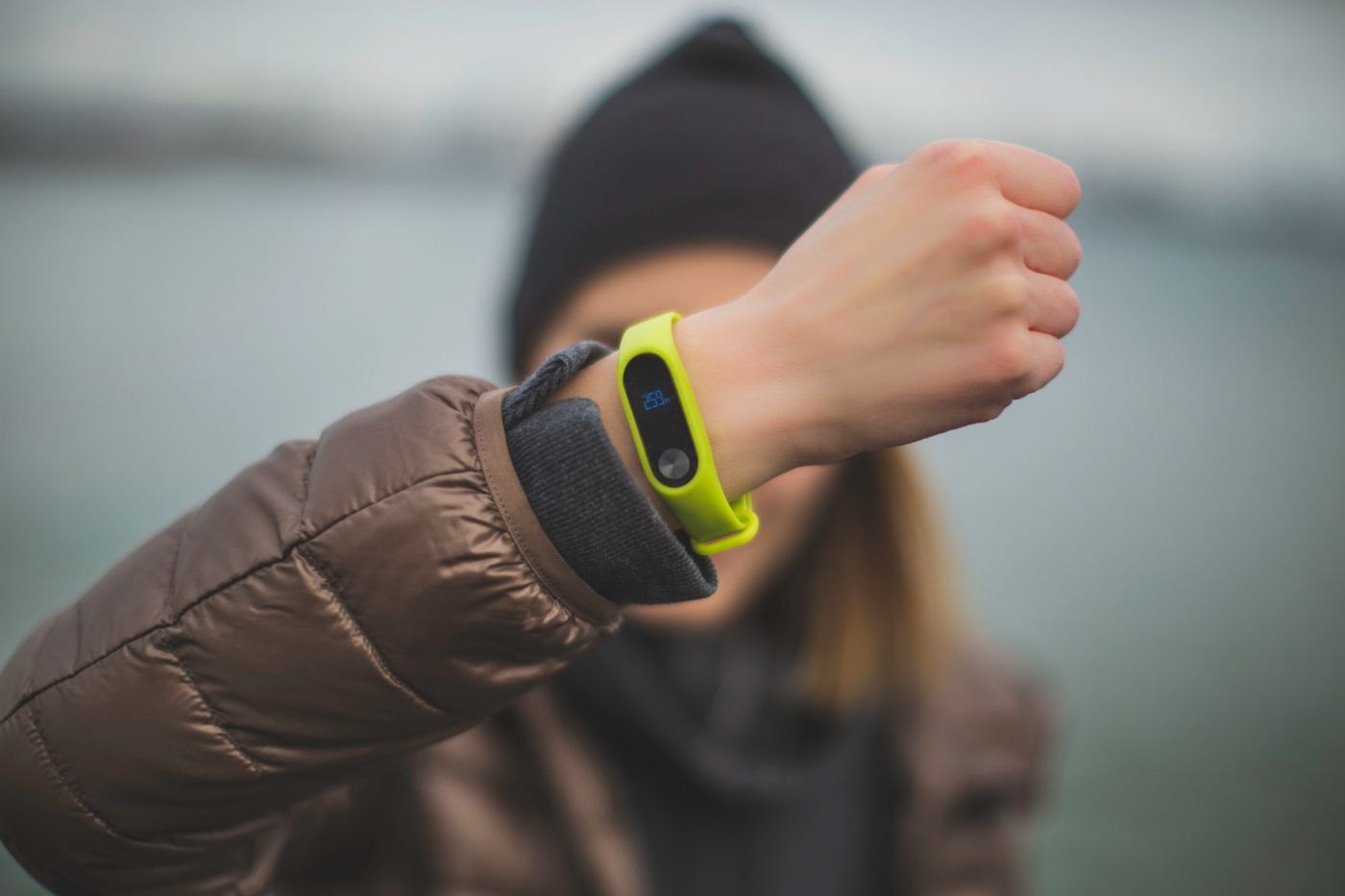
Ignore the category label for a moment and describe a normal day with the device. You may want the time, a few reminders and a quick look at messages. Someone else may want to operate several applications from the wrist. These expectations are more useful than assuming that a smartwatch is always an upgrade from a band.
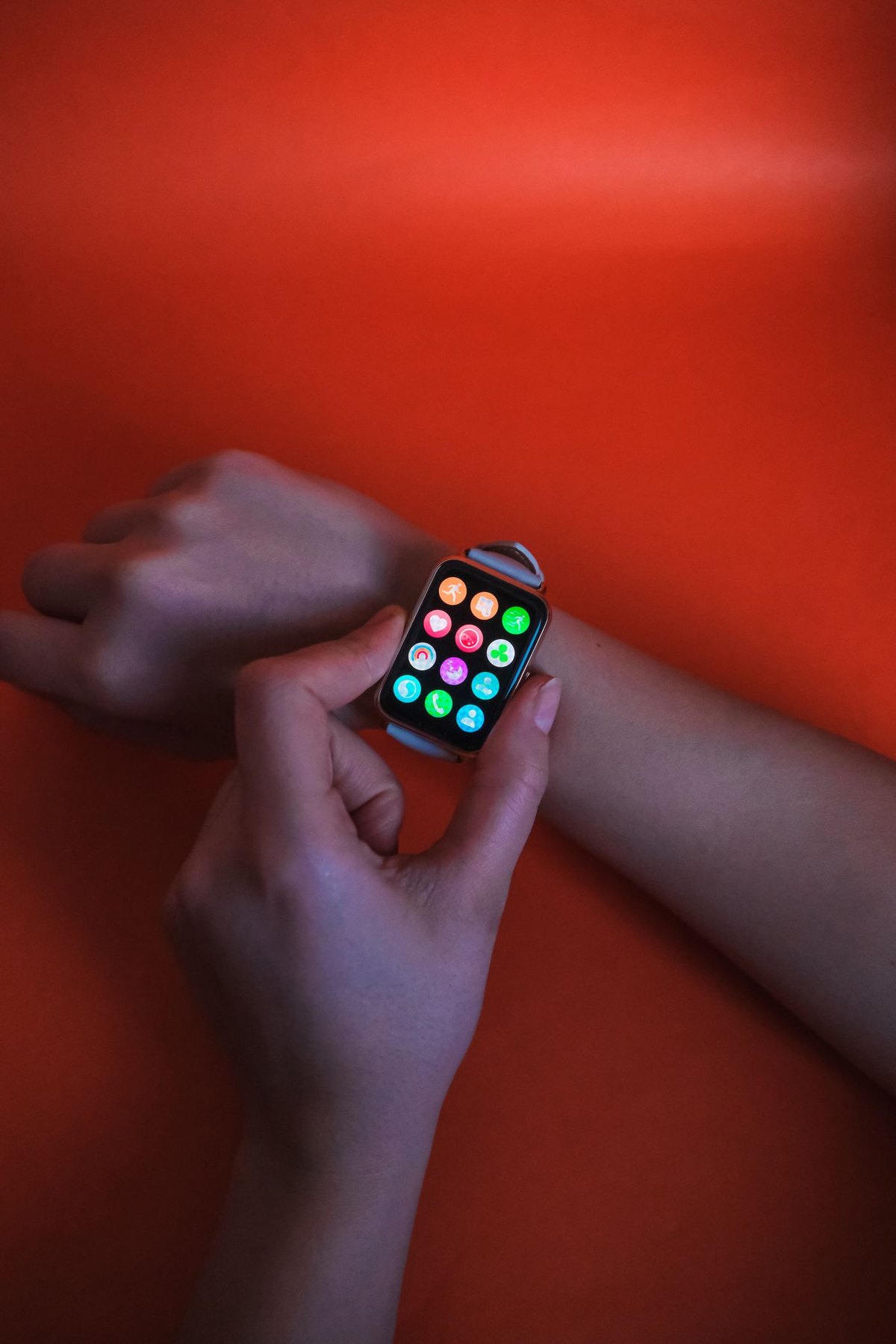
Try the display with ordinary information. Can you read a notification without scrolling through several narrow lines? Are the touch targets comfortable to use? A smaller device can be unobtrusive, but its interface may involve more steps for the tasks you care about.
Compare the whole routine
Check the required phone application and current compatibility with your phone. Review which functions work only with that connection or with a separate account. A broad feature list can hide differences in setup, regional availability and access when the phone is absent.
Look at charging equipment and the stated battery test conditions. A longer claim may reflect a different pattern of use or fewer active features. Decide where charging fits into your day and whether the supplied or required cable is easy to replace.
Try the strap and closure, including adjustment with your opposite hand. Consider how the device fits under a sleeve and whether you can operate it without removing it. Dimensions and weight tell only part of that story.
Keep health measurements out of a casual feature contest
Do not treat the number of sensors as a simple score. This buying comparison concerns everyday device use, not medical suitability or the interpretation of readings. If a particular health-related feature matters, investigate its intended use and limitations through the manufacturer and an appropriate professional rather than assuming a more expensive category is inherently better for you.
For ordinary reminders, messages and timekeeping, make a short task list and try the same sequence on each candidate. Count the awkward steps, not the total number of menu options. A device that performs three wanted jobs comfortably can be a better fit than one with many unused features.
Include the price of a suitable band, charger and any recurring services in the comparison. Then choose based on the routine you are willing to maintain. Category names are a starting point for shopping, while the daily interaction determines whether the device stays useful after its first week.