A portable recorder should make it easy to capture a conversation and bring the files home intact. Before comparing specifications, decide how the interview will happen: one person across a table, two speakers beside each other, or a moving conversation with separate microphones. The recording arrangement determines which inputs and supports matter.
Explain the recording purpose and obtain the participants' agreement before starting. Keep the device visible and agree on pauses or material that should not be recorded. Technical preparation is easier when everyone understands the process rather than being surprised by equipment appearing mid-conversation.
Check the microphone arrangement
Built-in microphones are convenient, but their position follows the recorder. A unit placed beside your notes may be much closer to you than the interviewee. Look at the manufacturer's orientation guidance and try the intended seating arrangement with a short sample.
If external microphones are needed, verify the input type and the microphone's power requirements. A socket that accepts a plug is not enough to establish electrical compatibility. Include the required cables and supports when comparing the size of the complete kit.
Rehearse a five-minute interview
Before using the recorder for an important conversation, ask a willing person to help with a brief practice. Place the device where it would sit, explain the recording process, and take turns speaking. Include a quieter answer and a normal pause. Stop, locate the file and listen through headphones, then transfer it to the computer you will use afterward.
This trial can reveal that the recorder is too far from one speaker, the table transmits handling noise or the file-transfer process needs unfamiliar software. Solve those issues while there is time. A larger memory card does not improve microphone placement, and a more advanced recording format does not make a distant voice closer.
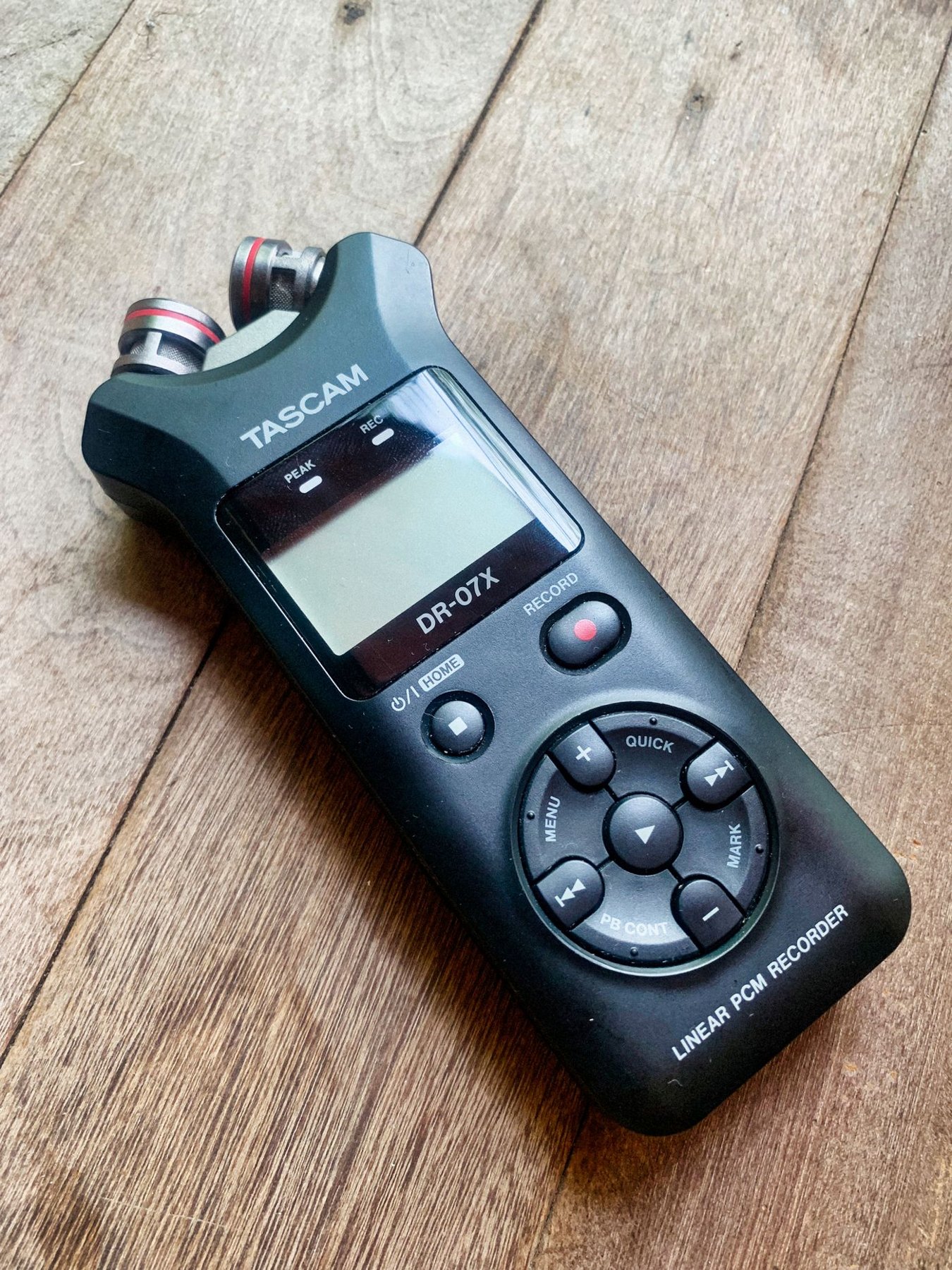
Check the battery and remaining-space display during the trial so you recognize the normal indicators. Learn the difference between paused, stopped and actively recording on that model. If the recorder offers a hold control, understand its effect before using it; preventing accidental button presses is helpful only if you can still identify the recording state.
Prepare a short equipment note with the verified card, power source and microphone arrangement. For a one-off interview, familiarity with that modest kit is often more valuable than adding a second recorder or untested microphone on the day.
Monitoring and recording are separate checks
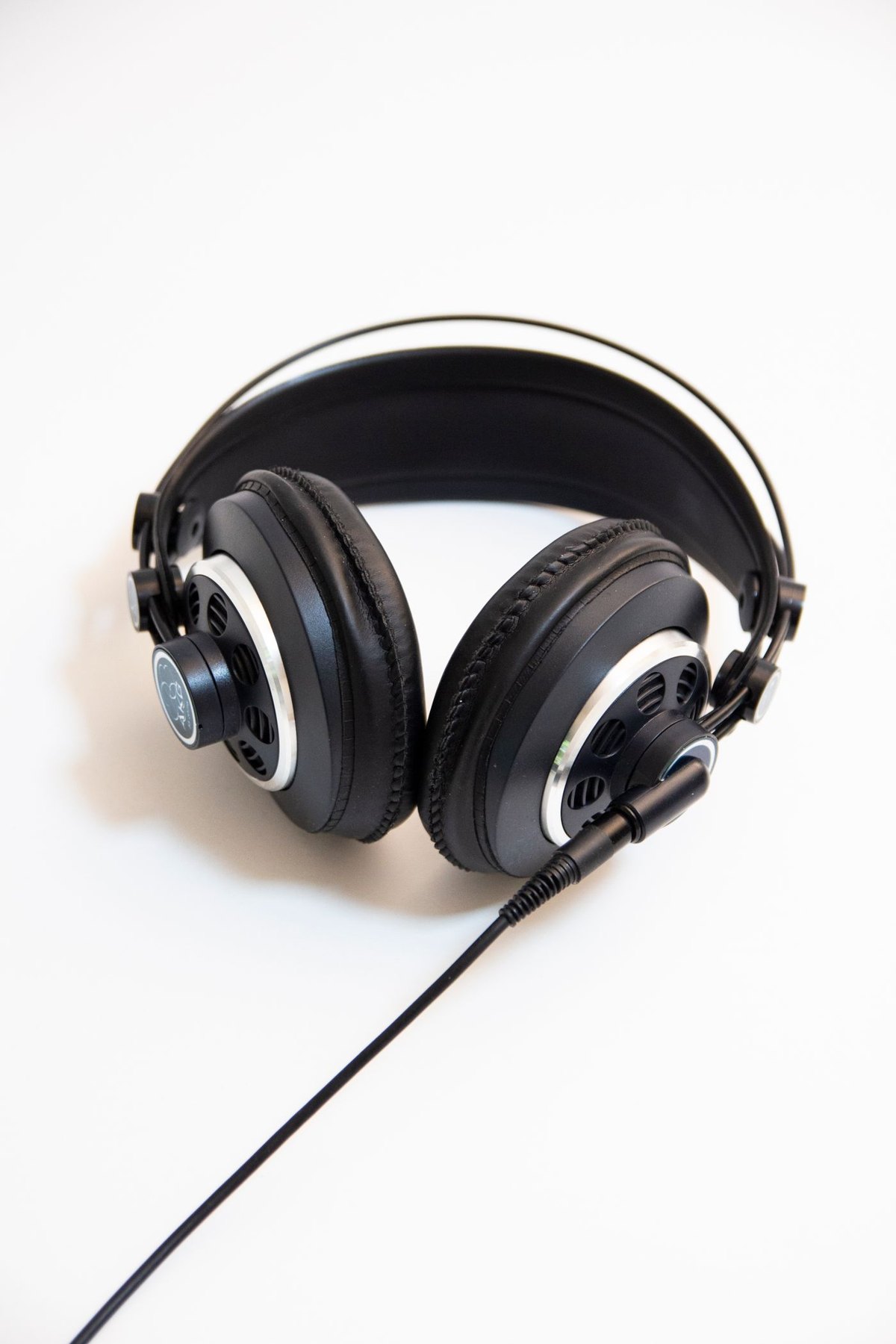
Choose a model with controls you can operate without interrupting the conversation. A headphone output lets you check the incoming sound where supported, but hearing audio does not prove that a file is being recorded. Learn the recording indicator and make a test take that you stop, locate and play back.
Zoom's H1essential support page provides separate operating instructions and compatible-card information, illustrating the kinds of documents to check for a recorder. Use the corresponding manual for your model to select media, recording format and power arrangements. Do not rely on a headline bit-depth feature to compensate for poor microphone placement or an unsuitable room.
Plan the files before the interview
Set a recognizable date and naming routine if the device supports it. Check available recording space and battery condition before leaving. Carry only supported spare media and power accessories, and format or prepare cards according to the instructions after protecting any existing files.
Afterward, copy the recordings to an organized folder, verify that the files open and make a separate backup. Keep the original card unchanged until those copies are confirmed. Record any agreed restrictions alongside the files so a technically successful capture is not later used outside the participants' understanding.
The best recorder for the task is one whose controls, microphones and transfer process you can operate consistently. Practising that process once before an important interview is more valuable than adding unfamiliar accessories at the last minute.