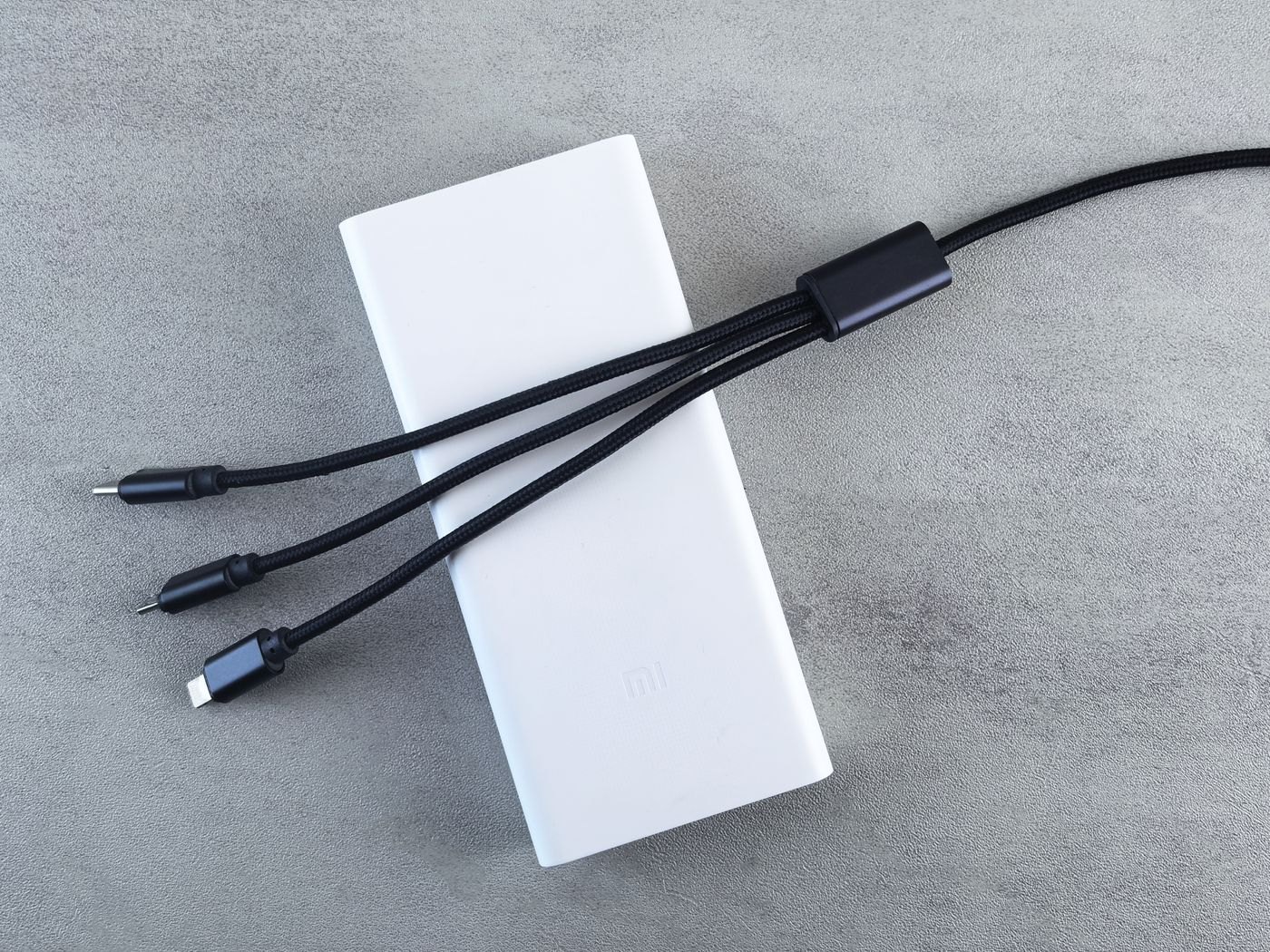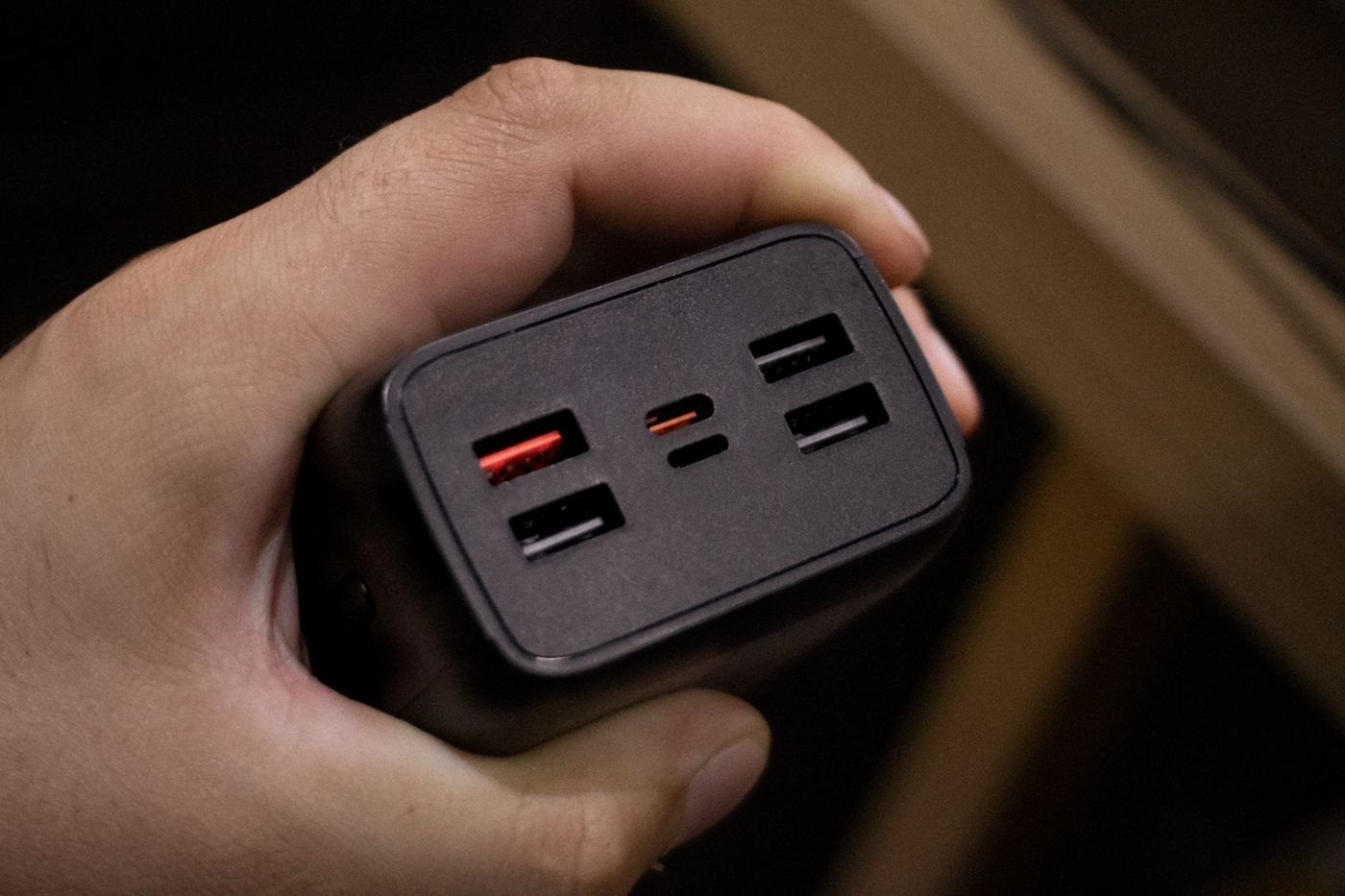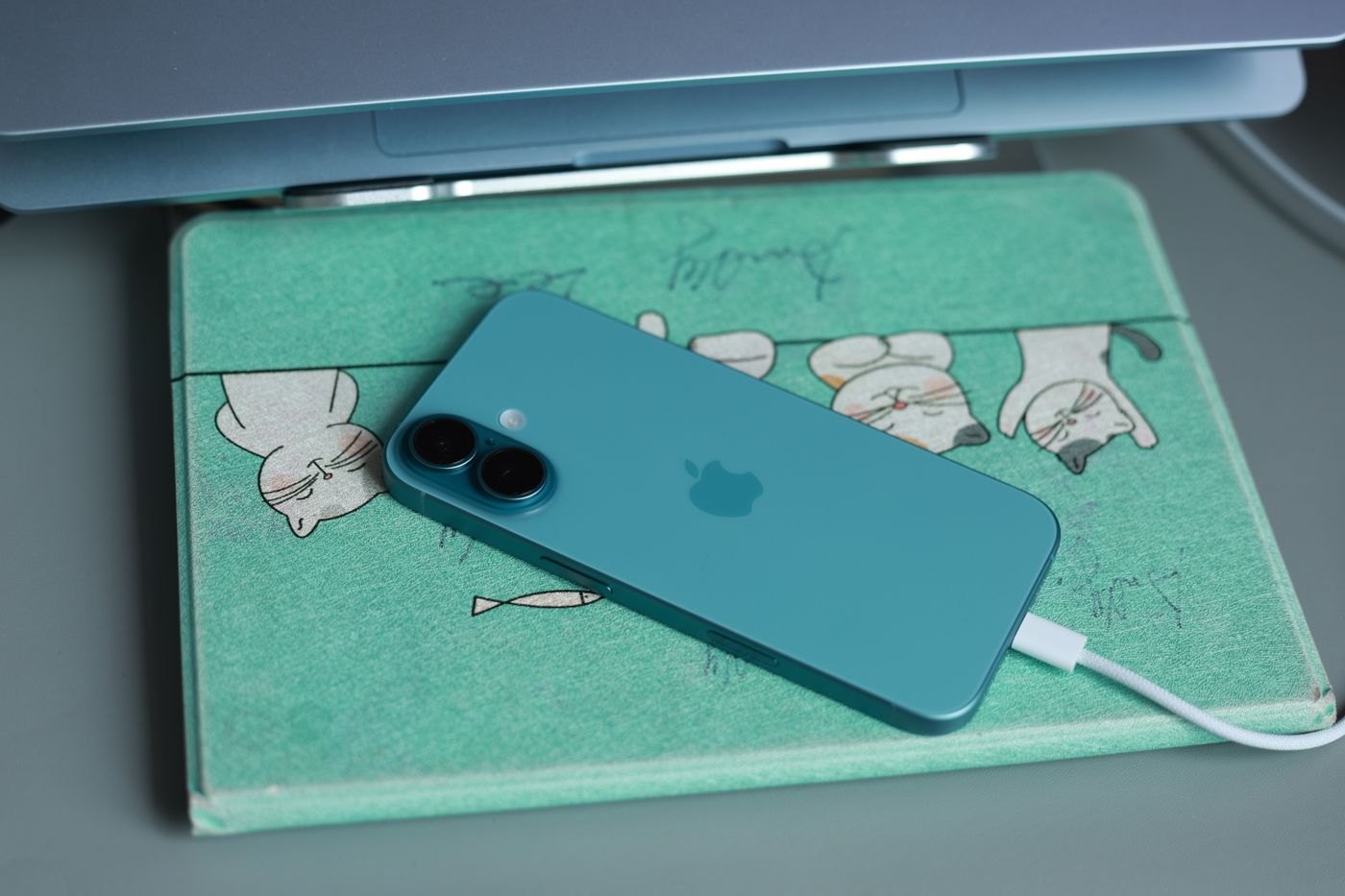
Cable length is easiest to choose in the room where the cable will work. Identify the power source and the normal device position, then follow the route the lead will actually take. A straight-line measurement can miss a desk edge, cable guide or the distance needed to pick up a phone.
Do not add length automatically. A very long cable can leave loops in a walkway or a drawer, while a short one can pull on the connector. The aim is enough slack for ordinary use without creating a storage problem around the device.
Include the connector housing
Check the space near the port, especially if the device sits on a stand or against a wall. The flexible cable does not begin at the very end of the metal plug. Allow room for the connector housing and the bending guidance supplied by the maker.
A right-angle connector can change the route, but its direction matters. It may clear one stand while blocking an adjacent port or interfering with a case. Examine the actual orientation before buying it as a universal space-saving solution.
Keep the specification attached to the selected length
Retailers sometimes group several versions on one page. Confirm the power and data specifications for the exact length selected rather than assuming every option has identical capabilities. If the cable will also connect a drive or display, those requirements remain relevant even when the original problem was simply reach.
For a shared room, route the lead where it will not be caught by a chair or pulled when someone walks past. Use suitable cable guides without pinching the cable or fastening it so tightly that the device cannot move normally. Follow the equipment instructions around heat and ventilation.
Try the routine before fixing the route
Place the cable temporarily and use the device in the positions you expect. Open the drawer, move the chair or raise the desk if those actions are part of the room. A route that looks tidy while everything is still may tighten unexpectedly during movement.
Once the length works, keep excess cable organized with a loose, suitable tie. Avoid repeatedly winding it tightly around a charger or bending it sharply at the plug. The right length should make the connection unremarkable: easy to reach, easy to disconnect and out of the way of the rest of the room.